

Hello everyone. Today I would like to talk about essential oils. I am sure most readers have encountered them at least once, and some use them regularly.
This is my original article, first published on Pikabu. For VesninMed I supplemented it with scientific studies and official documents, while retaining the original arguments, criticisms of marketing practices and personal assessments.
Essential oils have always carried a touch of magic, as though Hogwarts had allowed a little of it into everyday life. Yet beneath the pleasant fragrances lie important questions about composition, quality and safety. I am particularly cautious about the health claims made in the distribution networks of doTERRA and Young Living: some claims made by sellers have not stood up to scientific scrutiny. Choosing a brand you like is not enough.
Essential oils are used in perfumery, cosmetics and certain medicines. The word natural on a label tells us little about the authenticity or quality of a particular bottle. We need to know the intended use, composition, origin, and how the producer tests both the plant material and the finished oil.
I will also mention producers whose products I have personally liked. These are subjective impressions, not advertising or an independent laboratory ranking. Lavender oil is particularly hard to choose: many bottles are on sale, yet the label often tells you very little about what is inside. In my own experience, I have found conifer and citrus oils easier to choose, although they too require proper quality checks.
Quality and authenticity
1. Scent, chemical composition and effects
Smell alone cannot establish an essential oil's identity, authenticity or safety. Whether a scent is pleasant depends on the person smelling it; biological effects depend on the actual compounds present and their concentrations. A delightful aroma is not evidence of a therapeutic effect, and an unfamiliar scent does not by itself indicate poor quality.
2. Essential oil and crude essential oil
The Russian standard GOST R 53043-2008 distinguishes between “essential oil” and “crude essential oil” (a product of the initial steam distillation of plant material). That terminological distinction alone does not establish the authenticity of any particular manufacturer's product. To assess a bottle, we need information about the oil's origin and analytical results.
A small 2016 study of bay laurel oils (in Russian) compared samples from three brands with an oil produced in the laboratory. Samples from Dushisty Mir and Tsarstvo Aromatov had compositions similar to the laboratory reference. The particular Botanika sample differed substantially. The researchers reported 27 compounds in the reference-like oils, with cineole predominant, but only 14 compounds in the Botanika sample. Its cineole content was 5.8% against a cited specification of at least 30%, while diethyl phthalate accounted for 87.9% of the sample.
This was a comparison of specific samples, not proof that every product ever sold under one of these brands has the same composition. Less expensive oils with similar aroma profiles are sometimes used to imitate more expensive products, but an accusation of adulteration needs analytical evidence, not a suspicion based on smell.
“Crude oil” can be useful as a description of the initial volatile profile obtained from a plant. It is not a guarantee of purity, safety or superior quality. Provenance, storage, handling and compositional analysis still matter.
3. Four ways essential oils are adulterated
- Dilution: adding a cheaper carrier or solvent with compatible physical properties, such as vegetable oil, triethyl citrate, dipropylene glycol or certain phthalates.
- Substitution with a cheaper oil: for example, using sweet orange (Citrus sinensis) oil to extend another citrus oil or palmarosa (Cymbopogon martinii) oil in products sold as rose oil.
- Adding isolated aroma compounds: natural or synthetic compounds may be added to mimic the expected scent or chemical profile, such as linalyl acetate in an alleged true lavender oil or neryl acetate in an alleged immortelle (Helichrysum italicum) oil.
- Replacing the oil with a formulated blend: a low-cost oil or mixture, such as sweet orange or turpentine, may be supplemented with selected compounds to resemble a more valuable product.
4. Authenticity tests: studies from 2021 and 2024
In 2021, researchers published an essential-oil authenticity study in Scientific Reports. They purchased 31 samples online, comprising mandarin, bergamot and neroli oils.
Of nine neroli samples, only one met the standards used in the study. Two were adulterated with propylene glycol or dipropylene glycol, and four contained fragrance compounds, including 4-tert-butylcyclohexyl acetate, nerolin or methyl β-naphthyl ketone. Only one of eleven mandarin oil samples met all of the investigated ISO chromatographic requirements. Some products sold as premium also performed poorly. Among eleven bergamot samples, one met the relevant specifications completely; another was close, while others had deviations in certain marker compounds.
Overall, more than 45% of the analysed samples failed the study's tests, and more than 19% were diluted with substances such as glycols, triethyl citrate or vegetable oil. This describes the tested retail sample, not the prevalence of adulteration across every national market.
A further 2024 study published in Industrial Crops and Products examined 55 commercial lavender-related oils. Fifty-one were sold as Lavandula angustifolia, but only about 51% of these were authenticated as genuine. Among the others the researchers identified substitution with cheaper lavandin, synthetic additives, or both. The reported proportions were approximately 6%, 14% and over 29%, respectively.
Detected adulterants included synthetic linalool and linalyl acetate, as well as dipropylene glycol. Adulterated samples occurred among both low-priced and expensive products. Researchers used chromatographic, quantitative and chiral analyses; the latter can help distinguish certain naturally occurring compounds from synthetic alternatives. The lesson is that price, pleasant aroma and handsome packaging are not sufficient tests of authenticity.
5. Chemical processing, deterpenation and historical terpene therapy
Some oils are deterpenated: part of the terpene fraction is removed. This changes their chemistry and properties. Without data on a particular preparation, however, we cannot claim it is necessarily safer, more stable or more therapeutically effective.
René-Maurice Gattefossé, whose work helped popularise the term aromatherapy, studied the potential medical use of various essential-oil fractions. Narrower chemical profiles may offer particular advantages in controlled pharmaceutical contexts, but the same specificity can make unsupervised use inappropriate.
Soviet medical writing also discussed terpene therapy, involving terpenes and oils containing them. The history of their use is interesting but does not in itself establish clinical efficacy. Sergey V. Fedotov has described applications proposed for vascular diseases, urinary stones and other conditions in a historical overview (in Russian).
Historical authors reported, for example, trials of Artemisia scoparia preparations for urinary stones, juniper oils in wound care and later mixed pharmaceutical formulations. Some older preparations were eventually removed from the domestic pharmacopoeia, while specific compounds such as menthol, thymol, citral and camphor continued to appear in medicinal products. None of this should be read as a recommendation to treat serious illness with a bottle of concentrated oil.
6. Why different batches smell different
The aroma of a genuine essential oil can vary between batches because growing conditions, harvested plant material and processing affect its composition. Conversely, identical scents do not prove adulteration, and variation does not prove authenticity. Chemical analysis is needed to test those claims.
7. Jasmine and misleading product names
What is commonly sold as “jasmine essential oil” is usually not a steam-distilled oil. Jasmine flowers are generally processed by solvent extraction to make an absolute; production is costly and the yield is low. A seller who does not clearly distinguish jasmine absolute from a fragrance oil or a claimed steam-distilled essential oil deserves closer scrutiny. Always inspect the extraction method and botanical name.
Health claims, benefits and risks
8. Claims to cure serious diseases
If a distributor promises that essential oils will cure cancer, infertility or infections, the claim requires strong clinical evidence. Essential oils are not established substitutes for cancer treatments, antiviral medicines or antibiotics, and laboratory activity against a microorganism does not demonstrate a clinically useful treatment.
Following controversy over COVID-19 claims, doTERRA publicly stated that it did not claim its products prevent, treat or cure diseases, including COVID-19. That official position matters, but so do the statements buyers actually hear from distributors.
Historically, some doTERRA and Young Living sellers promoted oils for Ebola, Parkinson's disease, diabetes, cancer, insomnia and other illnesses without adequate clinical support. US regulators have challenged such promotional practices, including cases involving purported COVID-19 prevention and treatment.
Preclinical work investigating potential anticancer properties of essential-oil constituents is ongoing. It does not establish a way to deliver effective anticancer treatment to people. See this review of experimental research.
Some oils show antibacterial activity in laboratory settings, but results vary by organism, concentration and assay. Claims that they can replace antibiotics are unsupported; a scientific review discusses the antimicrobial research and its limitations.
There are nevertheless interesting small clinical studies of particular formulations and indications:
- A 5% tea tree oil gel improved outcomes for mild-to-moderate acne compared with placebo in a clinical trial.
- In a trial involving alopecia areata, 44% of participants receiving a blend of thyme, rosemary, lavender and cedarwood oils in carrier oils improved, compared with 15% of controls who received the carriers alone.
- Laboratory work examined antibacterial effects of citrus oil combined with Dead Sea salts. Laboratory inhibition of bacteria is not proof that a consumer product safely treats infection.
- An older trial of lemon balm oil applied in lotion reported effects on agitation in some people with dementia. Subsequent evidence must also be considered before generalising that result.
Broader reviews of medical applications describe experimental prospects in infections and other conditions, but clinical evidence, standardised formulations and quality controls remain major limitations.
9. Swallowing essential oils and other risky recommendations
Do not swallow concentrated essential oils as a home remedy. They can irritate or damage tissues and cause systemic toxicity; inhalation can also cause adverse effects, especially when products are misused or administered to vulnerable people. Oral medicinal formulations containing carefully measured components are a separate category and require appropriate professional oversight.
In 2018, the Australian consumer organisation CHOICE cited New South Wales Poisons Information Centre figures: 66 calls relating to doTERRA products in 2017 and 90 during part of 2018. Calls relating to exposures are not a population incidence estimate or proof that every report involved poisoning, but they are a legitimate safety warning.
A previous version of my article also referred to reports of adverse reactions and a discussion of misleading safety claims. These are background reading, not substitutes for clinical toxicology evidence.
doTERRA: official documents and medical promises
When I criticised doTERRA marketing, some people argued that any excessive claims were merely isolated mistakes by individual sellers. Official records allow us to examine that distinction more carefully.
A 2020 case reviewed by the US Direct Selling Self-Regulatory Council (DSSRC) described 140 examples of health or earnings representations used by doTERRA distributors. Allegations included claims about treating post-traumatic stress disorder, reversing type 2 diabetes, helping with autism and avoiding antibiotics. The company stated that such claims were impermissible and acted to remove them. The case does not prove that every claim was official company policy. It illustrates the scale of the problem within a distribution network.
In March 2023, the US Federal Trade Commission announced actions against three current or former senior distributors who had healthcare backgrounds. According to the complaints, they promoted essential oils and supplements for preventing or treating COVID-19 while relying on their medical authority. Each agreed to a US$15,000 civil penalty and restrictions on unsupported claims. The respondents were the distributors, not doTERRA itself.
There is a further distinction worth making: advice on ingestion can appear in company-authored product material as well as in distributor posts. At the time of the Russian article's October 2026 review, the official US clove oil product page instructed consumers to take a drop in a capsule or with at least two ounces of water and listed proposed benefits for various body systems, drawing in part on preclinical evidence. A cell experiment or animal experiment is not proof that ingesting a concentrated oil is medically beneficial or safe in humans. Product wording may change after the date of this review.
Why does adding oil to water fail to eliminate the risk? The oil is a mixture of compounds, some of which may partially dissolve, but the oily fraction does not simply form a uniform solution in water. Stirring can temporarily disperse small droplets; without an emulsifier, the phases can separate again. Concentrated droplets may still contact the mucosa of the mouth or throat. Dilution in a glass of water is not a demonstrated guarantee of safety.
The same product presentation may combine proposed physiological benefits with the disclaimer that the statements have not been evaluated by the FDA and that the product is not intended to diagnose, treat, cure or prevent disease. In my view, this juxtaposition can create a stronger impression of medical evidence than the underlying research warrants.
doTERRA has not been alone in attracting scrutiny. In June 2022 the FDA sent Young Living a warning letter concerning medical claims made by consultants, including claims involving infections, diabetes, Alzheimer's disease and cancer. The regulator considered aspects of the promotion to amount to marketing unapproved drugs.
This is the core of my criticism of multilevel-marketing promotion of essential oils. Clove and lavender contain chemically interesting compounds, and particular formulations deserve investigation. But turning laboratory findings or isolated observations into confident promises to treat serious disease crosses an important line. Medical claims require proportionate clinical evidence, no matter how compelling the product story sounds.
For a general safety guide, see Poison Control's discussion of essential oils. A Russian review of medical use illustrates how varied the proposed applications and safety questions are.
Some traditions of French medical aromatherapy have included oral use in tightly controlled contexts with contraindications and professional oversight. Such practice is not an invitation for the public to swallow retail concentrates. In his historical discussion of essential-oil use, Fedotov distinguishes regulated pharmaceutical preparations containing defined ingredients from the unsupervised ingestion of concentrated oils. He also describes cases of serious mucosal injury. The reference cited in the original Russian article is no longer available as a complete URL.
Historical authors including Marguerite Maury promoted external methods, such as massage, baths, compresses and cosmetics, instead of unsupervised ingestion. An older claim that topical use avoids the liver altogether should not be repeated: constituents absorbed through the skin can enter the bloodstream and subsequently undergo metabolism, including hepatic metabolism.
In a 1992 report by Jäger and colleagues, linalool and linalyl acetate were measurable in the blood of one volunteer after massage with 2% lavender oil, peaking roughly 20 minutes later. This demonstrates systemic absorption under those conditions, not the safety of arbitrary doses or damaged-skin application. Oils from plants grown under different conditions can also have materially different chemical compositions, making any general claim about “the” effect of an oil especially difficult.
10. Allergy and skin reactions
Essential oils can cause irritation or allergic contact dermatitis. Natural origin does not rule out an adverse reaction. A practical consumer safety guide describes common reactions. Children are particularly vulnerable to accidental exposure and poisoning, especially if products are swallowed; see a report on paediatric incidents.
A research review discusses in-vitro cytotoxicity of clove oil, lavender oil and linalyl acetate on cultured human skin cells, as well as contact allergy to tea tree, mandarin, benzoin and ylang-ylang oils and fragrance constituents such as eugenol and geraniol. Cytotoxicity in a laboratory cell culture cannot simply be equated with a clinical reaction on intact human skin, but it is a reason not to assume that concentrated mixtures are benign.
11. Mixing oils and adding them to cosmetics
Mixing concentrated essential oils with one another or adding them to creams can lead to unwanted reactions. I would not recommend routinely adding them to finished skincare products, especially facial products, preparations used daily or products applied to irritated skin. The main concerns are dose, composition and skin exposure, not a mysterious unpredictable reaction.
Some components are sensitisers: after the immune system becomes sensitised, later contact can provoke allergic dermatitis even at a small dose. Linalool and linalyl acetate in lavender products can oxidise in air, generating hydroperoxides with greater allergenic potential. A patch-test study of oxidised lavender oil reported positive reactions in 2.8% of patients referred with suspected contact dermatitis. That figure is not the prevalence among all lavender users.
A 2023 French multicentre study described 42 patients with allergic contact dermatitis involving essential oils; eight required hospitalisation. Lavender, tea tree and ravintsara were among the oils used. A plant-derived product can still pose significant risks.
The practical conclusion is to use established, appropriately formulated products, pay attention to concentration, avoid application to damaged skin without qualified advice, and stop using a product if it causes irritation. There is no virtue in deliberately escalating the dose.
What are essential oils useful for?
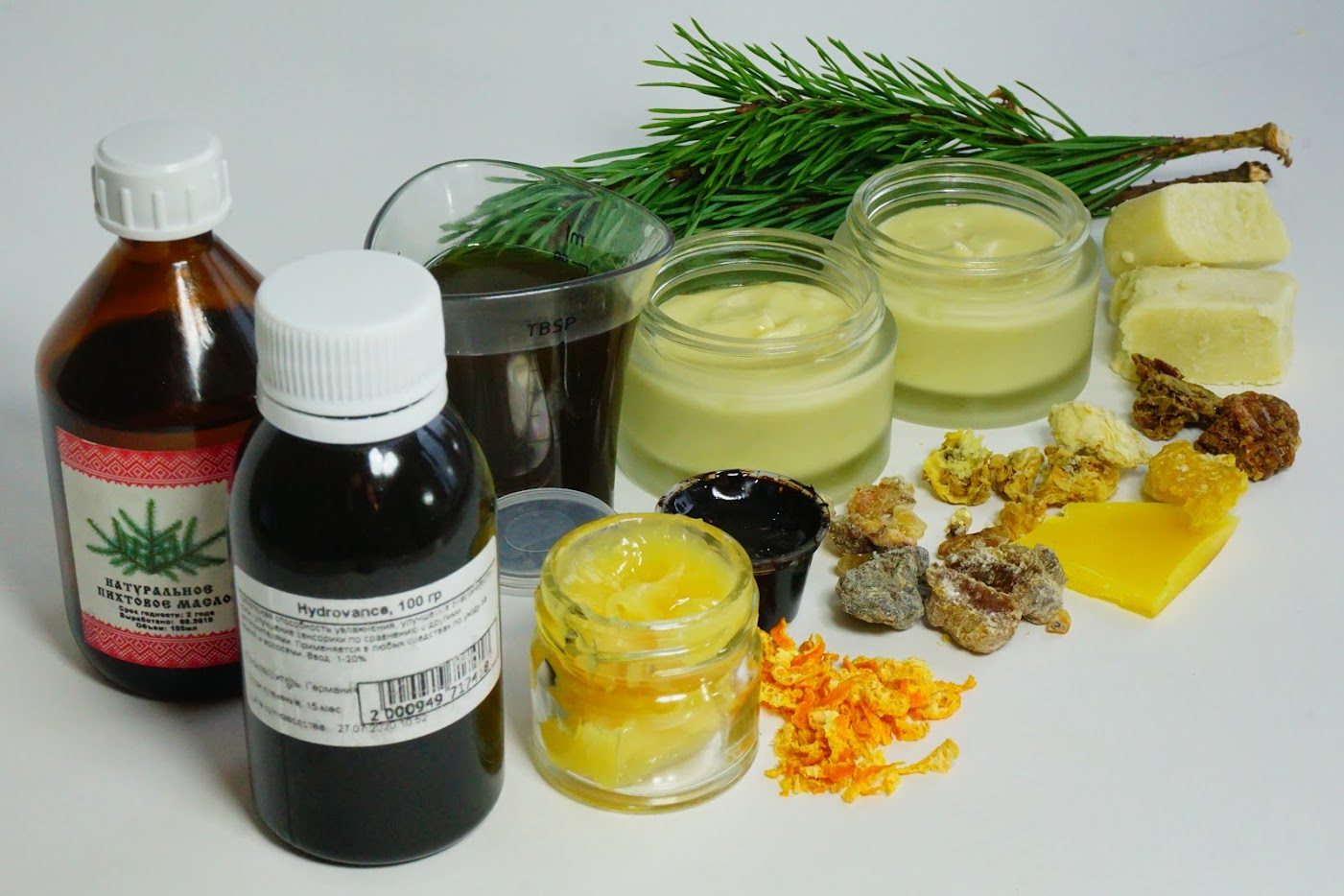
Essential oils in massage practice
In massage, aromatic products may make the experience more pleasant for someone who enjoys the scent. Expectations, touch, setting and perceived comfort can all influence the response. This is worth distinguishing from specific pharmacological claims about an essential oil.
Traditional aromatherapy texts often suggest that oils predictably improve microcirculation, collagen synthesis, endocrine function or autonomic balance. Those are stronger, mechanism-specific claims than the existing clinical evidence usually justifies. The original version of this article discussed proposed effects on the skin, nervous system and relaxation; today I would assess such statements individually rather than treat them as established properties of all oils.
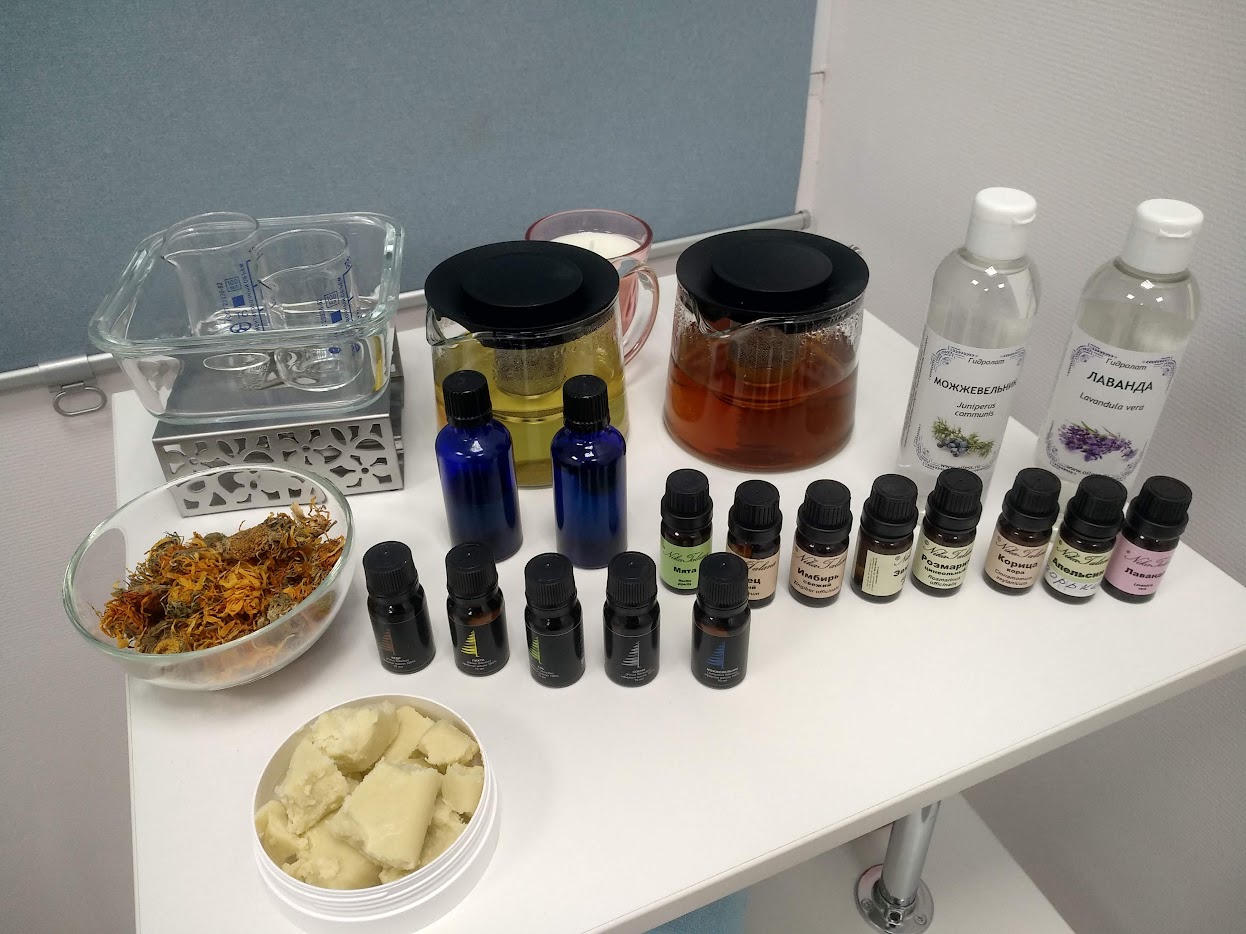
What clinical research shows
Research into lavender aromatherapy and massage suggests possible benefits for certain symptoms and settings, but studies often differ in methods, comparators and blinding. A review of lavender-related massage interventions considered symptoms in settings including psychological distress, persistent pain and palliative care. Some studies suggested that localised approaches—hand massage or foot interventions—might produce some of the observed benefits without full-body massage. This does not establish that the oil alone caused the improvement.
A small study of lime oil used during massage reported changes in autonomic measures. Physiological markers should not be converted into claims of reliably lowering clinical blood pressure without stronger evidence.
A study involving people with cancer reported reduced anxiety with lavender aromatherapy massage, while effects on depression and overall psychological well-being were less clear. Results from a particular patient population and intervention should not be generalised to all health conditions.
Older Russian articles on aromatherapy in cardiology proposed effects on autonomic regulation, emotional state and vascular responses. Such claims can generate research questions; they do not independently establish clinical indications for essential oils in cardiovascular disease.
Main practical conclusions
- A well-chosen fragrance may enhance comfort and enjoyment, but the magnitude and cause of any medical benefit must be assessed for each formulation and outcome.
- More is not necessarily better: the lowest appropriate exposure is generally preferable to unnecessary increases.
- A premium label or high price does not guarantee purity. Unusually cheap oils may also warrant scrutiny where large quantities of plant material are needed for production.
- Do not accept claims that a bottle of oil treats dozens of diseases. Look for appropriate human clinical evidence and quality-control records.
- Clinical treatment involving essential-oil ingredients belongs within the scope of suitably qualified healthcare professionals and appropriately regulated products.
- Ingestion of concentrates and potentially irritating inhalation methods should not be attempted as home treatments. Professional supervision and product-specific contraindications matter.
Finding and evaluating suppliers
The following discussion is personal opinion, not an advertisement. In 2019 I spent several months reading specialist forums, reviews and available documentation to understand the essential-oil market. The companies and product ranges may have changed since then.
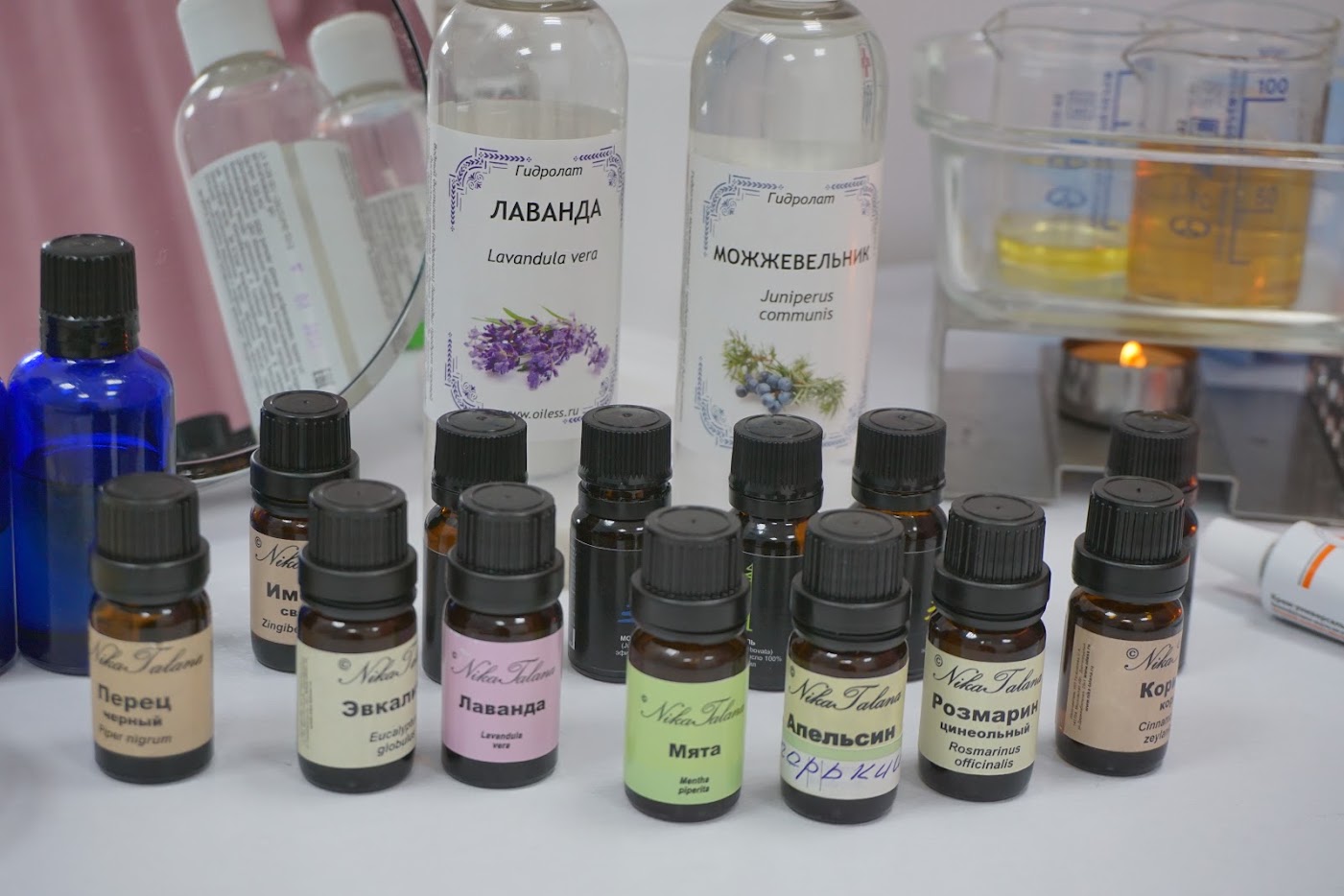
Provenance and quality verification
Essential oils are often distilled where the plants are grown, then purchased by larger companies and sometimes further processed or blended to meet product specifications. One example of an established ingredient business is Düllberg Konzentra. Plant variety, growing season, harvest and storage can change the oil's composition and aroma.
Small distillers may produce only a few oils from abundant local plant material, and many do not sell directly to retail customers. Reputable retailers that buy from identifiable distillers can also be useful.
One important piece of evidence is a gas chromatography report (often GC or GC–MS), ideally with batch identifiers and credible analytical methods. A chromatogram helps assess the chemical profile but is not, on its own, a universal certificate of safety or authenticity: interpretation, comparison standards and sometimes additional methods are necessary.
International brands: personal impressions
Brands I discussed in the original article include Vivasan, PRIMAVERA, Karel Hadek, Original ATOK, Aroma-Zone and Zeitun. My impressions at the time ranged from satisfactory mainstream quality to particularly favourable views of certain Karel Hadek products. These judgments were based on my own experience and reviews available then; they are not verified rankings of all products or current batches.
Russian producers and suppliers
Among suppliers I would especially highlight from my personal experience are Aromat Nauki for its approach to analytical documentation, Posvyashchenie for products I have used, and Viva Lavanda, a lavender producer in the Crimean village of Aromat. I particularly enjoy its rich, distinctive lavender fragrance.
Other names from my earlier list include Aromashka, Aromarti and Real Aroma. Their inclusion does not constitute a current laboratory endorsement. As for any producer, verify the exact botanical species, lot number, extraction method, independent testing and the claims made about the intended use.
My older article expressed reservations about products from Iris, Spivak, several Crimean retail labels, Botanika, Aspera and Lazurin, as well as vague “sauna oils”. These were personal market impressions, not an independent comparative analysis of their current ranges. In particular, the specific 2016 laurel-oil result discussed above should not be used to characterise every Botanika batch.
Lavender: my experience and wound-healing research
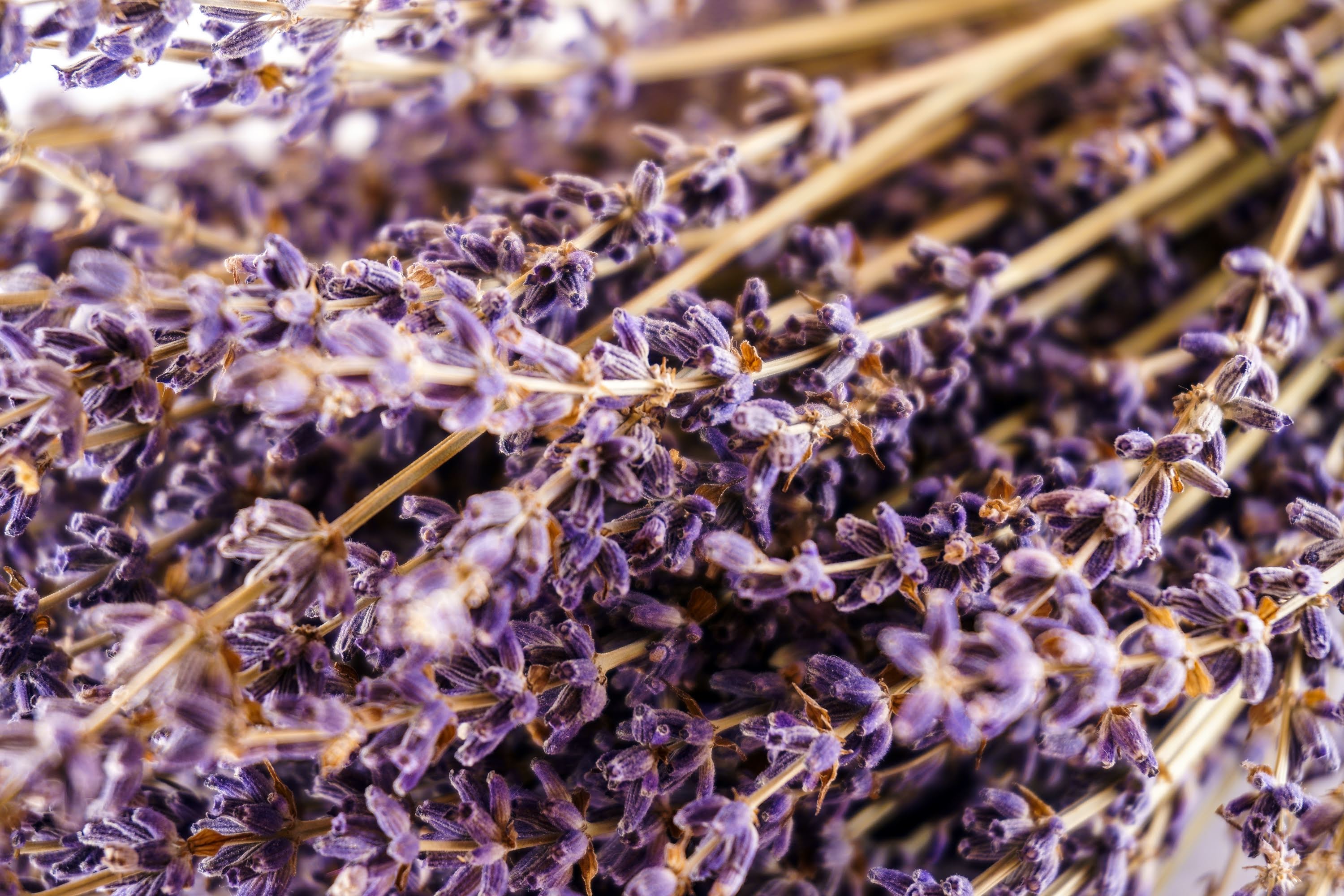
If lavender is what you are looking for, I would personally draw attention to Viva Lavanda. It is a small producer that grows lavender and distils oil from its own crop. I found the aroma unusually rich and concentrated: in my experience one or two drops could scent a room of about 35 square metres. Some patients also spoke favourably of the feel of appropriately formulated topical products.
Among lavender oils I have personally tried, I ranked Viva Lavanda first, Aromat Nauki second, and the Turgenevskaya agricultural producer third. These are subjective impressions of particular samples, not a laboratory ranking of every producer and batch.
There is also scientific interest in topical lavender formulations. A 2020 systematic review by Samuelson and colleagues discussed 20 publications, including seven clinical trials, five animal studies, two laboratory studies and six previous reviews. Some studies described faster healing or changes in collagen-related processes; however, experimental findings need to be distinguished from convincing clinical evidence.
Another systematic review pooled six studies including 415 women after episiotomy and reported improvements in pain or healing measures for some lavender preparations compared with controls. A trial involving recurrent oral aphthous ulcers also reported less pain and shorter healing time with a lavender preparation compared with placebo. An oral ulcer is not equivalent to a chronic skin ulcer.
It would be unsafe to use these findings as justification for applying 10% lavender oil to a fresh burn or open wound. Such an intervention would need its own safety evidence. A fresh burn needs appropriate first aid, not an experiment with concentrated fragrances.
Lavender is not the only interesting plant oil. In a double-blind trial involving 60 participants, a 5% tea tree oil gel worked better than placebo for mild-to-moderate acne. Again, the result concerns a specific formulated gel at a specific concentration, not the application of neat oil to any skin inflammation.
Small producers
Smaller suppliers from my original list included Viva Lavanda, Agrofirma Turgenevskaya, Maslyanaya Manufaktura and PaPaPchel, whose fir oil I have used in cosmetic experiments. Small-scale fir-oil distillation is relatively common, and some private distillers offer interesting products; the same need for traceability and analysis applies as with larger suppliers.
Publication and scope. This English-language edition is based on Sergey Vesnin's original article on Pikabu and its October 2026 VesninMed revision. Personal assessments are marked as such, and examples of official regulatory actions are distinguished from allegations about individual distributors. Linked studies concern specific products, formulations and populations. The article is educational, not a recommendation to ingest essential oils or use them in place of medical treatment. Read the Russian version.